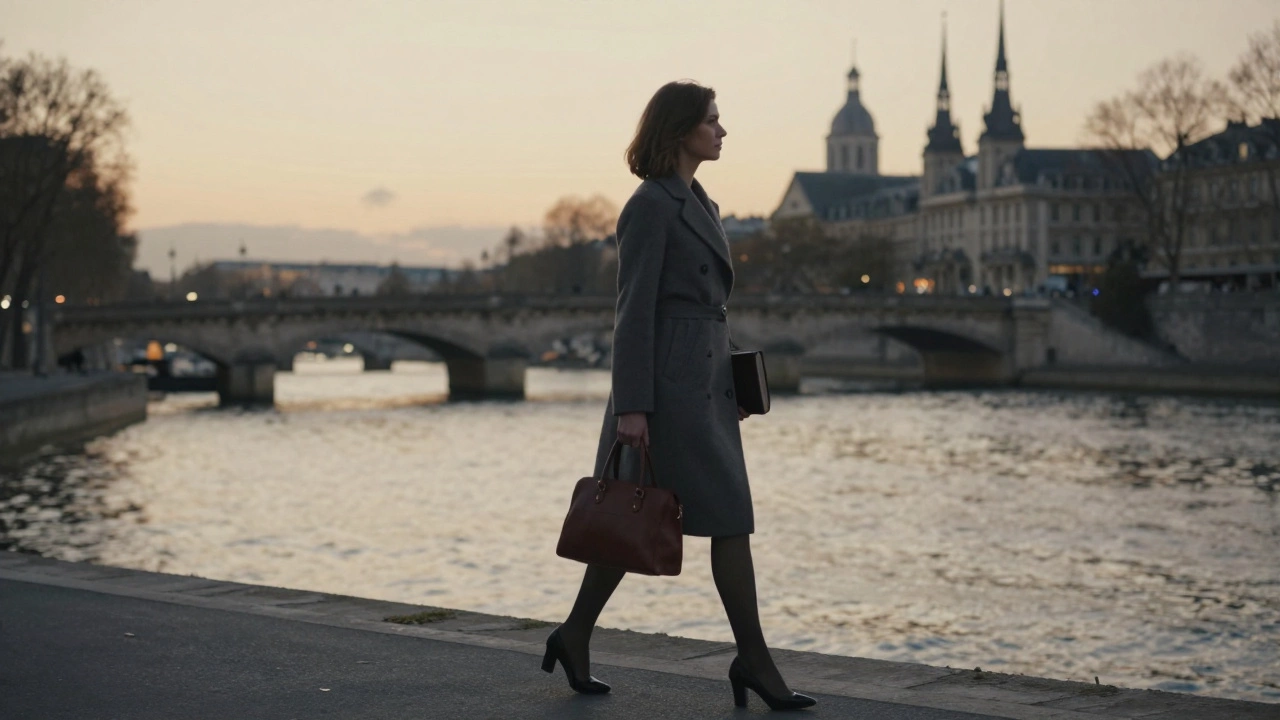
There’s a quiet kind of magic in how some people move through cities-graceful, confident, unnoticed until they’re gone. In Paris, that magic sometimes wears heels, carries a leather bag, and knows exactly when to smile and when to stay silent. These aren’t the women you see in movies or tabloids. They’re real. They’re in cafés near Montmartre, walking along the Seine at dusk, or waiting in a quiet lobby with a book in hand. Some call them escorts. Others just call them ladies who escort nice.
If you’ve ever wondered what that world looks like from the inside, you’re not alone. Many search for terms like scorte paris out of curiosity, not judgment. The truth? Most of these women aren’t looking for drama. They’re looking for autonomy. For control over their time. For a way to live without asking permission from a boss or a system that doesn’t understand them.
It’s Not About What You Think
When people hear "escort," they imagine something loud, flashy, or illegal. But in Paris, the reality is often quieter than a midnight metro ride. These women don’t work in back alleys or under neon signs. They meet clients in hotels with good lighting, quiet restaurants with private booths, or even art galleries after hours. The focus isn’t on sex-it’s on presence. Conversation. Comfort. A shared moment where someone feels seen.
One woman I spoke with-let’s call her Léa-worked as a freelance translator during the day and spent evenings with clients who just needed someone to talk to. "I’m not selling sex," she told me. "I’m selling calm. I’m selling the kind of attention you can’t get from a therapist or a friend who’s too tired to listen."
Why Paris? Why Now?
Paris has always been a city of contradictions. It’s romantic, but it’s also brutally expensive. Rent in the 6th arrondissement can cost more than a small apartment in Sydney. For many women, especially those who moved here from Eastern Europe, North Africa, or even smaller towns in France, traditional jobs don’t pay enough to survive-let alone thrive. Escorting isn’t a first choice. It’s often the least bad option.
And yet, there’s dignity here. These women set their own rates. They choose who they meet. They decline requests without guilt. They build long-term relationships with repeat clients who treat them like equals. Some even have clients who send them books, flowers, or invitations to exhibitions. It’s not transactional in the way most assume.
The Difference Between Escort and Prostitution
France decriminalized sex work in 2016, but the stigma didn’t vanish overnight. Many confuse escorting with street-based prostitution. They’re not the same. An escorte sexe paris might be hired for a dinner, a walk, or a night at the opera. The physical component, if any, is negotiated upfront and always consensual. There’s no pressure. No coercion. Just boundaries.
Compare that to the underground scenes in other cities, where women are trapped by pimps, debt, or violence. That’s not what you find in Paris. Here, the women are independent contractors. They use apps like Le Bon Coin or private networks to screen clients. They keep records. They have bank accounts. Some even have LinkedIn profiles.
What Makes a Woman "Nice" in This Context?
"Nice" doesn’t mean sweet. It doesn’t mean passive. It means reliable. Professional. Respectful. A woman who shows up on time. Who listens more than she speaks. Who doesn’t judge your loneliness or your awkwardness. Who knows how to turn a 90-minute meeting into a memory that lasts years.
One client told me he’d been seeing the same woman for five years. They never slept together. They talked about his divorce, her mother’s illness, their shared love of Camus. "She’s the only person who never tries to fix me," he said. "She just lets me be."
How Do These Women Stay Safe?
Safety isn’t an afterthought-it’s the foundation. Most women use verified platforms, share their location with trusted friends, and avoid cash transactions. They carry pepper spray. They have emergency codes. Some even have bodyguards for high-risk clients.
There’s also a growing network of peer support. WhatsApp groups. Monthly meetups in public libraries. Legal advice clinics run by NGOs. One group in the 13th arrondissement offers free therapy sessions for women in the industry. No questions asked. No judgment.

The Myth of the "Escuet Girl Paris"
You’ll see the term escoet girl paris pop up in search results. It’s misspelled, but that’s exactly why it’s used-it’s what people type when they’re searching late at night, half-asleep, curious but afraid to ask the right questions. The truth? There’s no such thing as a single type of woman in this world. Some are students. Some are artists. Some are mothers who work nights to pay for their kids’ school trips.
One woman I met had a degree in architecture. She worked for a firm during the day. At night, she hosted intimate dinners for clients who wanted to talk about design, philosophy, or their failed marriages. "I’m not hiding who I am," she said. "I’m just choosing when to show it."
What Happens When It Ends?
Most women don’t stay in this work forever. Some leave after a year. Others stay for five. A few never do. But when they leave, they don’t vanish. Many go back to school. Start small businesses. Open cafés. Write novels. One former escort I know now runs a bookshop in Saint-Germain-des-Prés. She keeps a photo of her old clients on the wall-not as trophies, but as reminders of the people who helped her survive.
The transition isn’t easy. The stigma doesn’t disappear. But the skills they learn-emotional intelligence, boundary-setting, self-reliance-become superpowers in other areas of life.
Why This Matters
We talk about gender equality, economic freedom, and autonomy. But we rarely look at the women who are carving out those things in the gray spaces-the places where society doesn’t have clear rules. These women aren’t asking for pity. They’re asking to be understood.
Paris isn’t the only city where this happens. But it’s one of the few where the work is quiet, the women are respected, and the line between transaction and connection is blurred on purpose. Maybe that’s the real beauty here-not in how they look, but in how they choose to live.